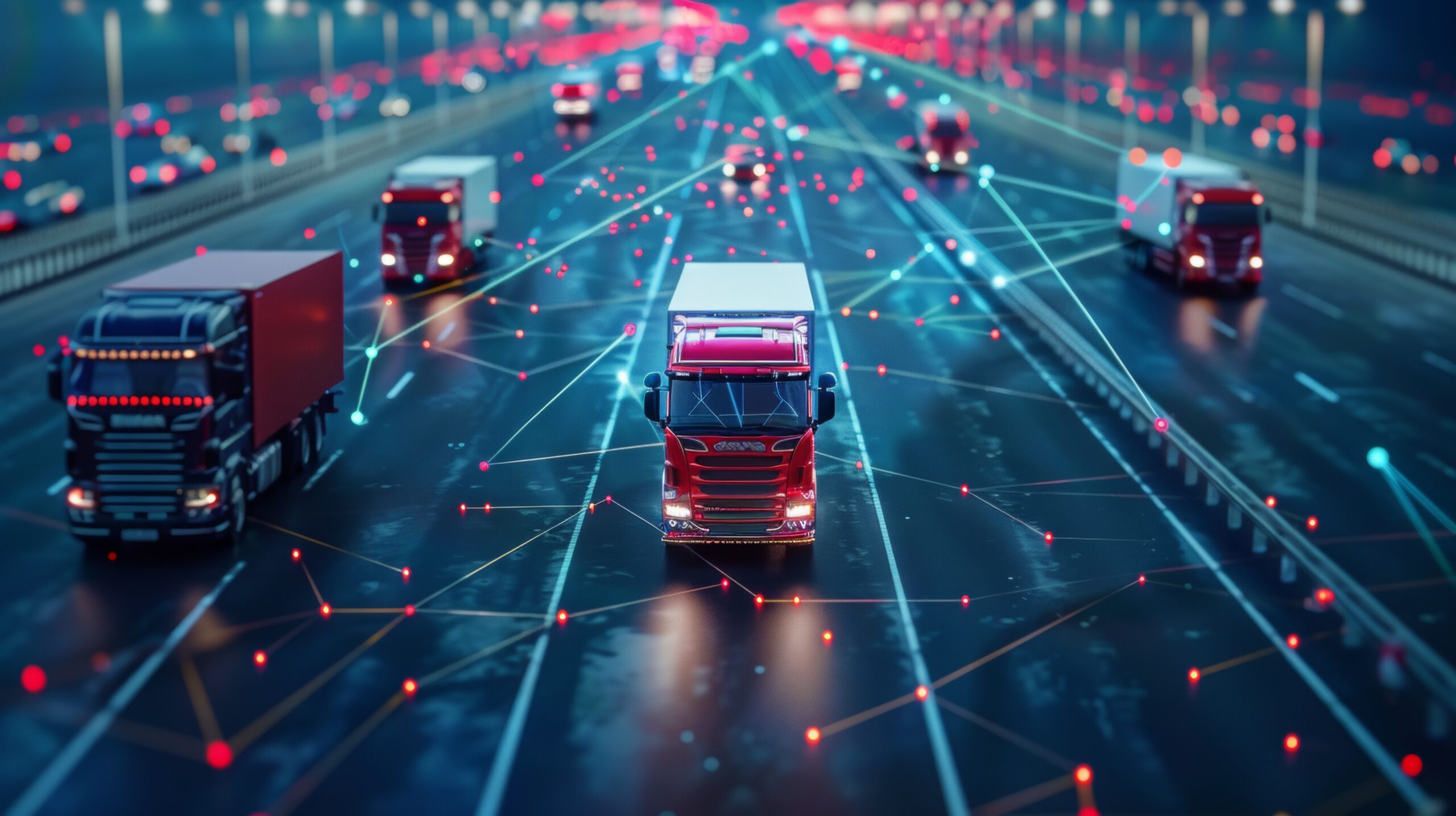
How Connected Vehicle Technology Can Support Safer, Smarter Fleet Operations
Telematics technology has transformed how businesses monitor and manage commercial fleets. While GPS tracking remains one of its most recognizable features, modern telematics systems offer capabilities that extend well beyond vehicle location.
From monitoring driver behavior and vehicle performance to supporting maintenance planning and operational efficiency, telematics provides businesses with valuable information about daily fleet activities. When used effectively, this data can help organizations identify trends, evaluate performance, and make more informed decisions.
Understanding the Capabilities of Telematics
Telematics systems combine vehicle technology, communication networks, and data collection tools to provide insight into fleet operations. Depending on the platform and available equipment, these systems can collect information about vehicle location, mileage, engine activity, driving behavior, and maintenance conditions.
For fleet managers, access to this information can provide a clearer understanding of how vehicles are being operated and where potential improvements may be needed.
Rather than relying solely on manual reporting or individual observations, organizations can use telematics data to identify patterns across vehicles, drivers, and routes.
Supporting Driver Safety and Performance
One of the most valuable applications of telematics is its ability to support driver safety programs. Certain systems can identify driving events such as harsh braking, rapid acceleration, speeding, and excessive idling.
Fleet managers can review this information to recognize recurring behaviors and identify opportunities for additional training or coaching. Driver scorecards and performance reports may also help organizations monitor progress and reinforce safe operating practices.
However, telematics data should be evaluated in context. Road conditions, traffic patterns, vehicle type, and operational circumstances can influence recorded events. Combining technology with constructive communication and driver feedback can help businesses make more meaningful use of the information collected.
Improving Vehicle Maintenance and Reliability
Telematics can also provide insight into vehicle condition and maintenance needs. Depending on system capabilities, fleet managers may receive information about engine fault codes, mileage, operating hours, and maintenance schedules.
This information can help organizations plan service activities, identify potential mechanical concerns, and maintain more consistent inspection and maintenance practices.
Although telematics does not replace routine vehicle inspections or qualified maintenance personnel, it can provide additional visibility into vehicle performance and help managers prioritize follow-up actions.
Enhancing Operational Visibility
Beyond safety and maintenance, telematics can help businesses better understand how fleet resources are being used.
Vehicle utilization data, route history, mileage, and idling information can support evaluations of scheduling, vehicle assignments, and operational workflows. These insights may reveal opportunities to reduce unnecessary travel, improve planning, or address inefficient practices.
For organizations managing multiple vehicles across different locations, centralized fleet information can also improve communication between drivers, dispatchers, and management teams.
Turning Fleet Data Into Actionable Insights
Collecting data is only the beginning. The value of telematics depends on how effectively businesses interpret the information and apply it to daily operations.
Fleet managers should establish clear objectives, identify relevant performance indicators, and regularly review reports for meaningful trends. Information gathered through telematics can support discussions about driver training, maintenance planning, and operational improvements.
Businesses should also establish appropriate policies for data access, employee communication, and information security to ensure telematics is used responsibly.
Making the Most of Connected Fleet Technology
As commercial fleets become increasingly connected, telematics offers organizations opportunities to strengthen visibility into their vehicles and operations.
By looking beyond GPS tracking and using fleet data to support driver coaching, maintenance planning, and operational decision-making, businesses can make more effective use of connected vehicle technology.
Telematics is more than a vehicle tracking tool. When paired with clear objectives and consistent follow-through, it can become a valuable resource for supporting fleet safety, efficiency, and long-term operational performance.