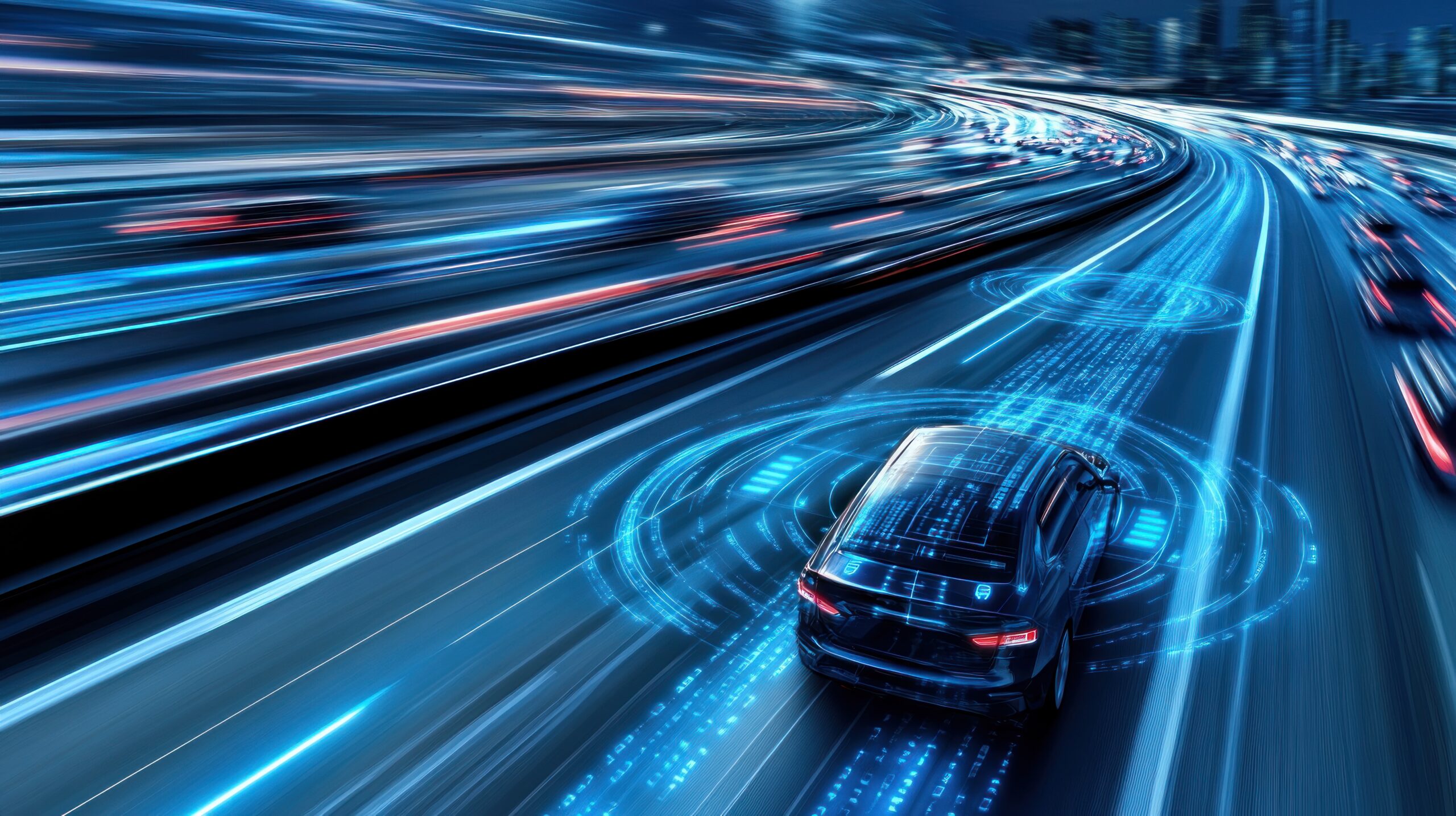
Exploring Autonomous Driving Systems and the Future of Transportation
Driverless vehicles are becoming an increasingly visible example of how advanced technology is transforming transportation. Through artificial intelligence, sophisticated sensors, and automated driving systems, these vehicles are designed to navigate roadways and respond to surrounding traffic with varying levels of human involvement.
As autonomous vehicle technology continues to develop, understanding how these systems operate and the opportunities and challenges they present is becoming increasingly important for businesses and the transportation industry.
How Autonomous Vehicles Operate
Autonomous vehicles rely on multiple technologies to interpret their surroundings and make driving decisions. Cameras capture visual information, radar detects nearby objects and their relative speed, and LiDAR uses laser pulses to create detailed representations of the surrounding environment.
Artificial intelligence processes information from these systems to help vehicles recognize traffic signals, identify pedestrians, navigate intersections, and respond to changing roadway conditions. GPS and digital mapping technologies provide additional information to support navigation and vehicle positioning.
Not all autonomous vehicles use the same technologies or operate at the same level of automation. While many consumer vehicles offer driver assistance features that require continuous human supervision, more advanced systems can operate without a human driver under specific conditions.
Potential Benefits and Technological Challenges
Autonomous driving technology has the potential to influence transportation efficiency, traffic management, and roadway safety. Automated systems do not experience fatigue or distraction in the same way human drivers do, and advanced monitoring capabilities may support more consistent vehicle operation.
For commercial transportation, future applications could include improved fleet coordination, route planning, and operational efficiency.
However, these systems also face important challenges. Severe weather, unexpected roadway conditions, construction zones, and unpredictable traffic situations can affect system performance. Software reliability, cybersecurity, sensor maintenance, and data accuracy are additional considerations for developers and operators.
What Does the Future Hold?
The long-term role of driverless vehicles will depend on continued technological development, safety performance, regulatory oversight, and public acceptance. While some autonomous vehicles already operate in designated areas, broader adoption across different environments presents additional challenges.
As the transportation industry evolves, businesses should remain informed about emerging technologies and evaluate how automation may affect their operations.
Autonomous vehicles represent a significant advancement in transportation technology, but their future success will depend on balancing innovation with reliability, responsible implementation, and ongoing evaluation.