Strengthening Digital Security Through Technology, Awareness, and Prevention
As businesses become increasingly connected, scammers are finding new ways to exploit the technology organizations rely on every day. From email and text messages to phone calls, collaboration platforms, and fraudulent websites, cybercriminals use a variety of communication channels to target employees, steal sensitive information, and gain unauthorized access to business systems.
These threats are not limited to large corporations or technology departments. Businesses of all sizes face potential exposure, and employees across every department can become targets. Understanding how modern scams operate and implementing appropriate cybersecurity safeguards are essential steps toward protecting company data, financial information, and daily operations.
Recognize Social Engineering Threats
Social engineering is a common tactic used by scammers to manipulate individuals into sharing confidential information or taking actions that compromise security. Attackers frequently impersonate company executives, trusted vendors, financial institutions, or government officials to make fraudulent requests appear legitimate.
For example, an employee may receive an urgent phone call appearing to come from a familiar number, requesting account credentials, a payment authorization, or remote access to a company device. Because caller identification information can be spoofed, employees should never rely on the displayed phone number alone to confirm someone’s identity.
Instead, suspicious requests should be independently verified using established company contacts or official communication channels. This additional verification can help prevent unauthorized access and fraudulent transactions.
Protect Against Phishing and Digital Fraud
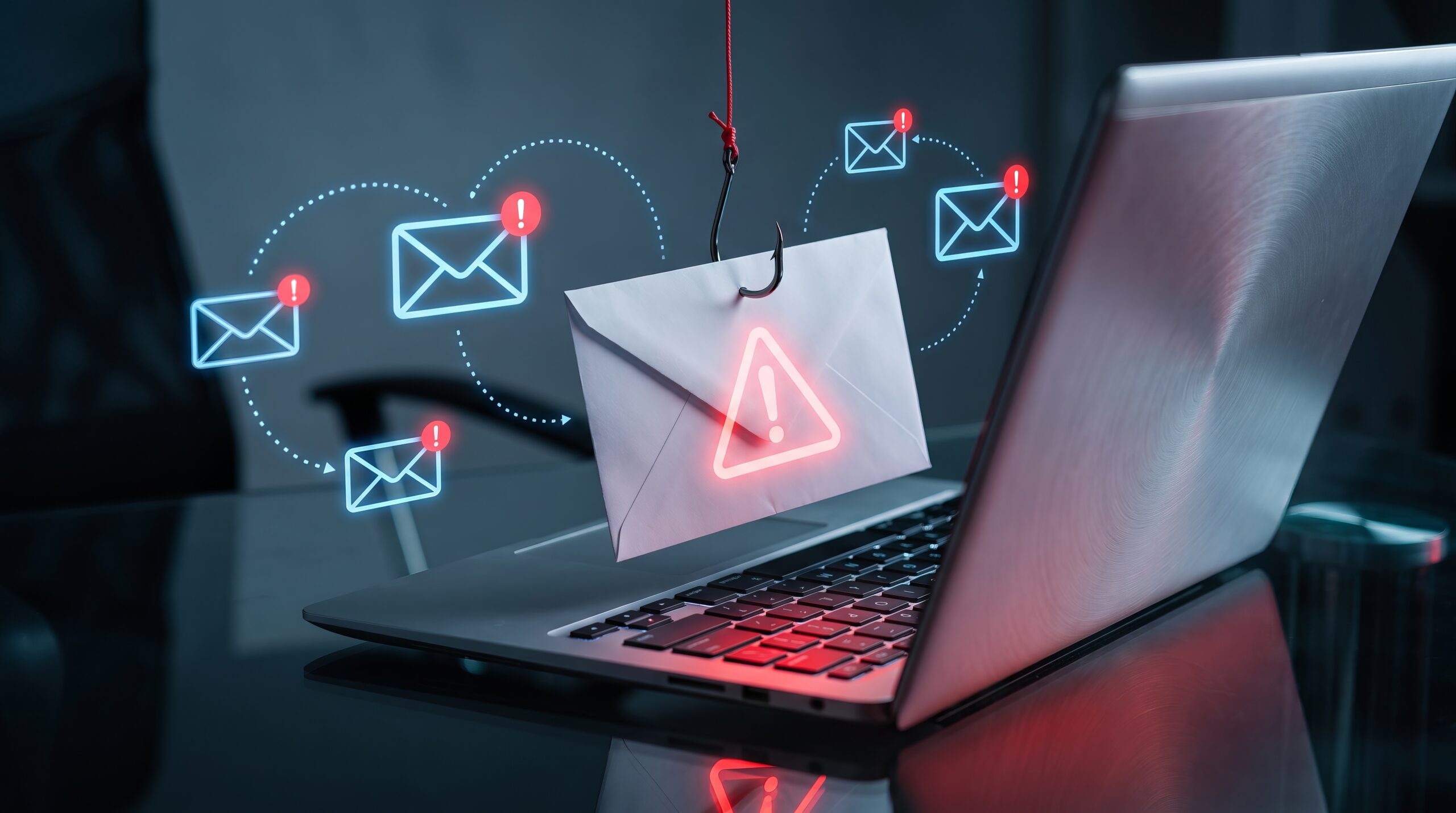
Phishing remains one of the most common methods used to compromise business accounts and systems. Fraudulent emails and text messages often contain links to deceptive websites, malicious attachments, or requests for sensitive information.
These messages frequently create a sense of urgency, warning employees about account suspensions, overdue payments, security concerns, or immediate action required by management. Some attacks may also use artificial intelligence to create more convincing messages or imitate familiar communication styles.
Employees should carefully examine sender addresses, question unexpected requests, and avoid opening suspicious links or attachments. When a message appears unusual, contacting the sender through a verified communication method is a safer approach than responding directly.
Secure Business Accounts and Connected Systems
Technology plays an important role in helping organizations defend against unauthorized access. Strong passwords, multifactor authentication, and appropriate access controls can provide additional layers of protection for business accounts and sensitive information.
Organizations should encourage employees to use unique passwords and approved password managers rather than reusing credentials across multiple platforms. Multifactor authentication should be enabled wherever available, particularly for email, financial systems, cloud applications, and remote access tools.
Regular software updates are equally important. Keeping operating systems, applications, browsers, and security tools current helps address known vulnerabilities that attackers may attempt to exploit.
Businesses should also periodically review account permissions and remove unnecessary access when employees change responsibilities or leave the organization.
Be Aware of Fraud Across Multiple Communication Channels
While digital scams receive significant attention, fraudulent activity can also originate through traditional mail, phone calls, and other communication methods. Fake invoices, misleading regulatory notices, and fraudulent vendor correspondence may appear legitimate and encourage employees to provide information or authorize payments.
Collaboration platforms and business messaging applications introduce additional opportunities for impersonation. A message that appears to come from a coworker or executive should still be verified when it involves unusual financial requests, confidential information, or changes to established procedures.
Organizations should maintain consistent verification and approval processes regardless of how a request is received. Technology can support these procedures, but employees must understand when additional confirmation is necessary.
Strengthen Cybersecurity Through Employee Training
Even advanced security systems cannot eliminate every threat. Employees remain an important part of an organization’s cybersecurity strategy, making ongoing education and awareness essential.
Regular training should address common phishing techniques, impersonation scams, suspicious attachments, credential theft, and safe use of company communication platforms. Employees should also understand how to recognize potential warning signs and where to report suspicious activity.
Businesses can reinforce these practices through periodic security reminders, simulated phishing exercises, and clearly documented procedures. Encouraging employees to question unexpected requests without hesitation helps create a workplace culture that prioritizes digital security.
Establish Clear Reporting and Response Procedures
When suspicious activity occurs, timely reporting is critical. Employees should know how to notify the appropriate internal personnel when they encounter a potential scam, suspicious message, compromised account, or unauthorized transaction.
Organizations should establish incident response procedures that address account security, system access, internal communication, and recovery efforts. Depending on the situation, responding quickly may involve securing affected accounts, resetting credentials, reviewing system activity, or contacting financial institutions.
Regularly reviewing and testing these procedures can help businesses identify gaps and improve their ability to respond to emerging threats.
Make Digital Security an Organizational Priority
Protecting an organization from scams requires a combination of reliable technology, established procedures, and informed employees. As communication platforms and business systems continue to evolve, cybersecurity practices must adapt to address new threats and vulnerabilities.
By strengthening authentication, maintaining updated systems, reinforcing employee training, and establishing clear verification procedures, organizations can build a more resilient digital environment.
When a request seems unusual, pause, verify independently, and report it promptly. Staying vigilant and making cybersecurity part of everyday operations are essential to protecting business technology, information, and resources.