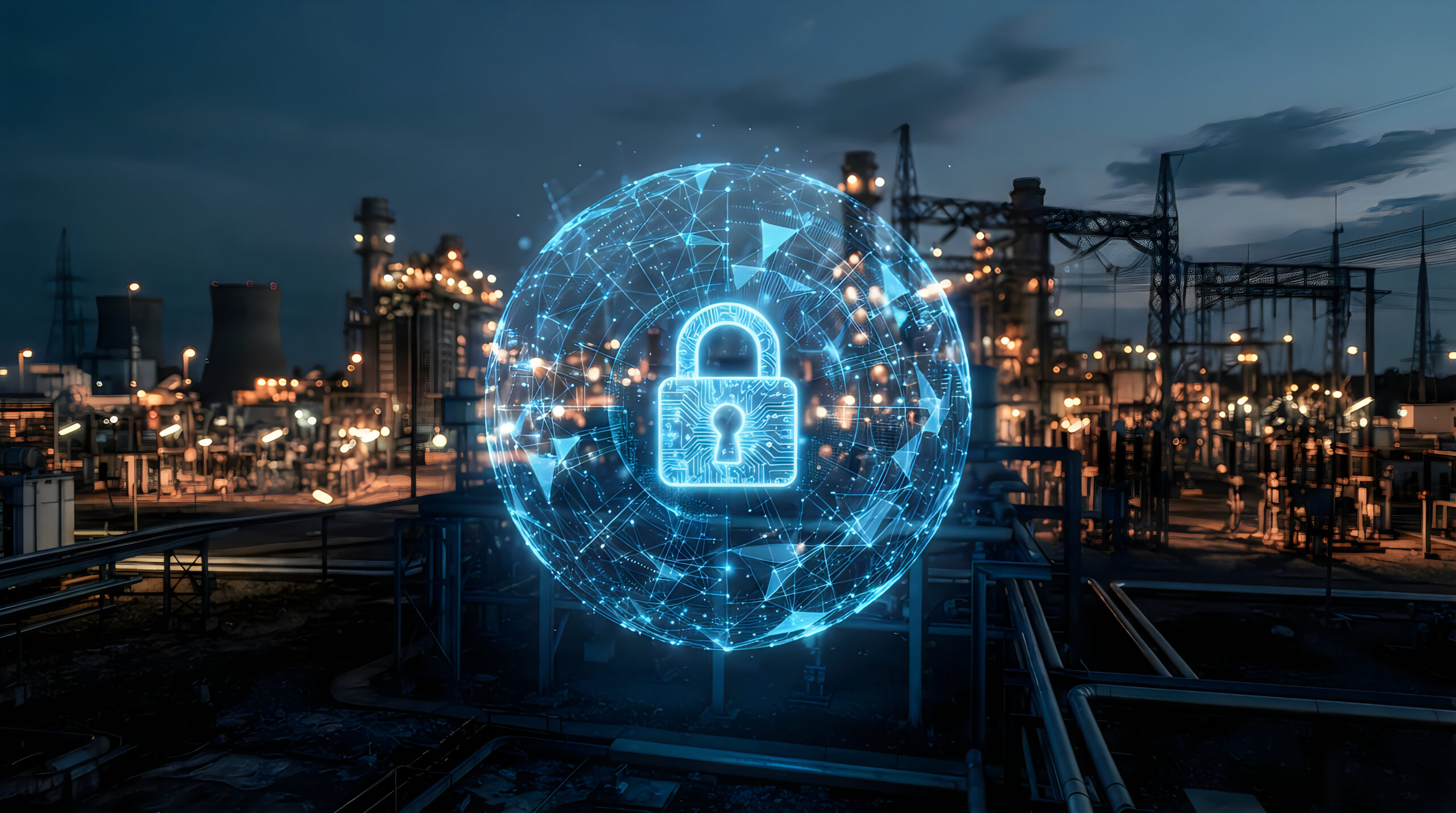
Protecting More Than Just Computers
When most people think about cybersecurity, they picture office computers, email accounts, or company networks. While these systems are certainly important, today’s businesses rely on another category of technology that often receives far less attention: Operational Technology (OT).
Operational Technology includes the systems that monitor, control, and automate physical equipment and infrastructure. From manufacturing machinery and production lines to HVAC systems, access controls, security cameras, elevators, and building automation, OT keeps businesses operating safely and efficiently every day.
As these systems become increasingly connected to business networks and the internet, they are also becoming attractive targets for cybercriminals. Protecting operational technology is no longer just an IT responsibility—it’s an essential part of business continuity and risk management.
Understanding the Difference Between IT and OT
Although they often work together, Information Technology (IT) and Operational Technology (OT) serve very different purposes.
IT focuses on managing information. This includes computers, servers, cloud applications, email systems, databases, and business software that employees use to communicate and perform daily tasks.
Operational Technology, on the other hand, manages physical operations. These systems monitor equipment, automate building functions, control machinery, regulate environmental conditions, and support critical infrastructure that businesses depend on every day.
In many organizations, these two environments are becoming increasingly connected. A smart building may allow facility managers to monitor HVAC systems remotely, while manufacturing equipment may automatically send performance data to cloud-based dashboards. These connections improve efficiency—but they also introduce new cybersecurity considerations.
Why OT Security Is Becoming More Important
As organizations continue to modernize their facilities, connected operational technology is becoming more common across nearly every industry.
Smart thermostats, environmental sensors, automated lighting, surveillance cameras, electronic access control systems, fleet telematics, and industrial control systems all generate valuable operational data. However, every connected device also represents another potential point of entry if it is not properly secured.
Unlike traditional IT systems, attacks involving operational technology can extend beyond data loss. A compromised building management system, manufacturing process, or security platform could interrupt operations, damage equipment, or affect employee safety.
Protecting these systems helps organizations reduce operational disruptions while maintaining reliable day-to-day performance.
Common Examples of Operational Technology
Many businesses already use OT without realizing it.
Examples include automated HVAC systems, smart lighting controls, manufacturing equipment, warehouse automation, elevators, fire detection systems, security cameras, badge access systems, environmental monitoring devices, backup generators, and connected utility controls.
These technologies improve efficiency and provide valuable operational insight, but they should also be included in cybersecurity planning alongside traditional IT assets.
Building a Stronger Security Strategy
Protecting operational technology begins with understanding what systems are connected.
Organizations should maintain an inventory of connected devices, regularly install software and firmware updates, replace default passwords, restrict user access based on job responsibilities, and monitor systems for unusual activity.
Equally important is collaboration between departments. Information technology teams, facilities managers, operations leaders, and cybersecurity professionals should work together to ensure connected systems remain secure throughout their lifecycle.
Employee awareness also plays an important role. Staff should understand that connected equipment is part of the organization’s technology environment and should report unusual system behavior, unexpected alerts, or unauthorized changes promptly.
Technology Is Becoming More Connected
The future of business will continue to rely on intelligent buildings, connected equipment, automation, and real-time operational data. These technologies provide tremendous benefits by improving efficiency, supporting predictive maintenance, reducing energy consumption, and strengthening workplace safety.
As connectivity grows, however, so does the importance of protecting every system that supports business operations—not just the computers sitting on employees’ desks.
Organizations that recognize the relationship between IT and Operational Technology are better positioned to reduce cyber risk, strengthen business continuity, and build more resilient operations for the future.
Cybersecurity is no longer just about protecting information. It’s also about protecting the technology that keeps businesses running every day.