Technology has transformed the way organizations prepare for severe weather, but today’s environmental challenges extend beyond hurricanes, floods, and winter storms. Wildfire smoke, smog, and poor air quality have become increasingly common across North America, affecting communities hundreds or even thousands of miles from the source.
As wildfire smoke from Canada and other regions continues to impact air quality across the United States, businesses have an opportunity to leverage technology to protect employees, maintain operations, and make informed decisions when conditions deteriorate.
Air Quality Is a Business Issue
Poor air quality isn’t just a public health concern—it’s an operational one. Smoke and elevated pollution levels can affect employee health, reduce visibility, disrupt outdoor operations, and impact productivity.
Employees working outdoors or traveling throughout the day may experience coughing, eye irritation, headaches, fatigue, or difficulty breathing when air quality declines. Businesses with construction crews, transportation fleets, utility workers, landscaping teams, or outdoor hospitality operations are particularly vulnerable.
Technology provides organizations with the tools to monitor changing conditions and respond before health risks increase.
Real-Time Air Quality Monitoring
One of the simplest yet most effective technologies available is real-time air quality monitoring.
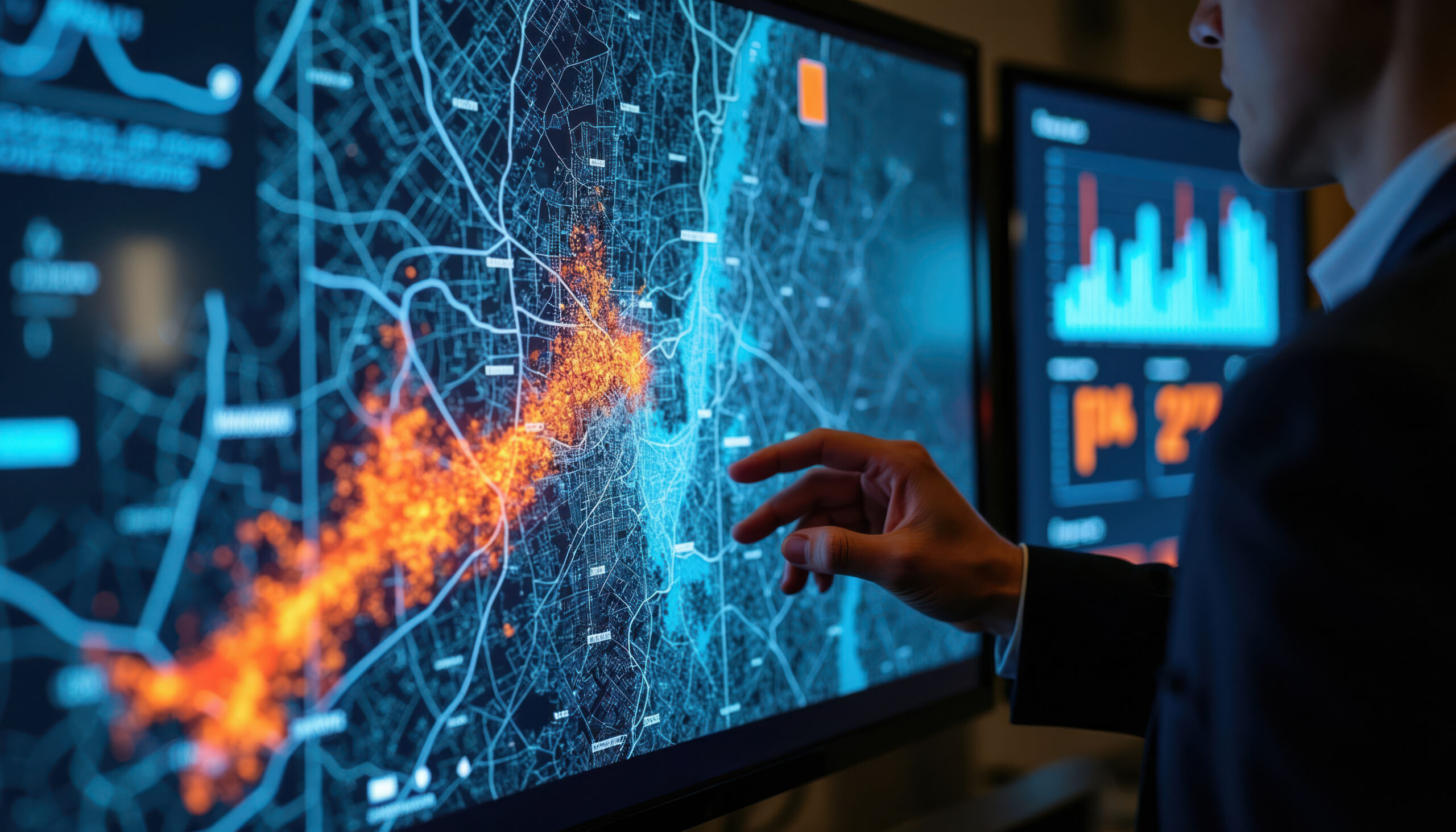
Mobile apps, environmental sensors, and online dashboards provide up-to-date information on the Air Quality Index (AQI), particulate matter (PM2.5), and local pollution levels. Rather than relying on visible smoke alone, businesses can use these tools to determine when conditions have reached unhealthy levels and adjust operations accordingly.
Real-time monitoring allows organizations to:
- Delay or reschedule outdoor work when necessary.
- Modify delivery or travel schedules.
- Notify employees of changing conditions.
- Make informed decisions based on objective environmental data.
Smart Buildings Create Healthier Indoor Environments
Modern building technology also plays an important role during smoke events.
Many commercial HVAC systems now include smart sensors that continuously monitor indoor air quality, temperature, humidity, and ventilation performance. These systems can automatically adjust airflow and filtration to improve indoor conditions when outdoor air quality declines.
High-efficiency filtration systems, including HEPA filters where appropriate, can significantly reduce airborne particles inside offices, schools, healthcare facilities, and commercial buildings.
Facility managers can also receive automated alerts when ventilation systems require maintenance or filters need replacement, helping maintain healthier indoor environments during extended smoke events.
Connected Technology Supports Outdoor Workers
Organizations with employees working outside can use connected technology to improve situational awareness.
GPS-enabled workforce management platforms, mobile communication apps, and weather notification systems allow supervisors to quickly communicate changing air quality conditions across multiple job sites.
Rather than relying on manual phone calls or delayed updates, managers can distribute alerts instantly, helping employees take appropriate precautions or temporarily relocate to safer environments when conditions worsen.
Data Helps Drive Better Decisions
Environmental monitoring tools can also be integrated into broader business dashboards that track weather, operational conditions, fleet activity, and workplace safety.
When combined with predictive analytics, organizations can begin identifying patterns that affect productivity and employee well-being. For example, businesses may notice recurring periods of poor air quality during wildfire season and proactively adjust staffing, scheduling, or remote work policies before conditions become hazardous.
Technology enables organizations to move beyond reacting to smoke events and instead build long-term resilience into their operations.
Communication Is Just as Important as Technology
Even the best technology is only effective when paired with clear communication.
Employees should understand where to access air quality information, recognize the signs of smoke-related health concerns, and know when to report symptoms or seek assistance.
Organizations should establish procedures for communicating air quality alerts, modifying work schedules, and implementing protective measures during periods of unhealthy air quality.
Technology Supports Health and Business Continuity
Wildfire smoke and smog events are becoming more frequent and affecting larger geographic areas than ever before. While organizations cannot control environmental conditions, they can control how prepared they are to respond.
By using real-time monitoring tools, smart building technology, environmental sensors, and connected communication platforms, businesses can make informed decisions that help protect employee health while supporting operational continuity.
As technology continues to evolve, organizations that embrace data-driven environmental monitoring will be better equipped to navigate changing conditions and create safer workplaces for everyone.