How Businesses Can Reduce Risk During Severe Weather Season
Summer storms are known for bringing heavy rain, strong winds, and frequent lightning. While many businesses focus on protecting their buildings and employees during severe weather, one critical area is often overlooked: technology.
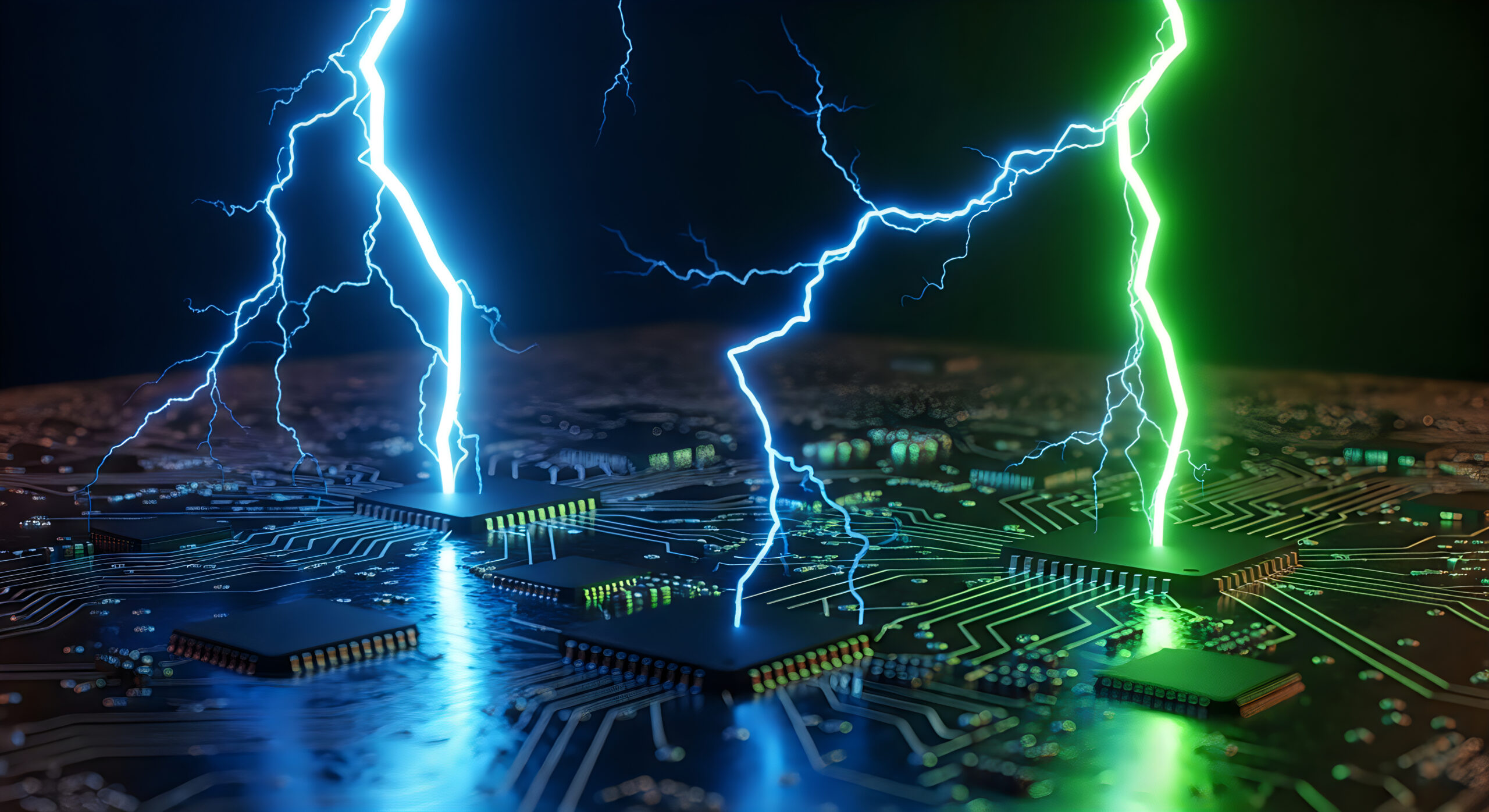
A single lightning strike—even one miles away—can cause power surges capable of damaging computers, servers, networking equipment, security systems, and other critical business technology. The resulting downtime can interrupt operations, delay communications, and impact business continuity long after the storm has passed.
Fortunately, there are several proactive steps organizations can take to help protect their technology before severe weather arrives.
Lightning Can Affect More Than Just Power
Many people assume lightning only causes damage through a direct strike. In reality, nearby lightning can generate electrical surges that travel through power lines, internet connections, and communication cables.
These surges may damage:
- Computers and laptops
- Servers and data storage devices
- Network switches and routers
- Wi-Fi equipment
- Security cameras and access control systems
- Telephone systems
- Printers and multifunction devices
- Smart building and automation systems
Even if equipment appears to function normally after a storm, hidden electrical damage can shorten its lifespan or lead to future failures.
Power Outages Can Create Operational Challenges
Summer thunderstorms often cause brief or extended power outages. Beyond the inconvenience, unexpected outages can interrupt critical business processes, corrupt open files, and disrupt customer service.
Organizations should evaluate how a power outage would affect:
- Business communications
- Customer transactions
- Cloud connectivity
- Security systems
- Data availability
- Remote employees
- Manufacturing or production equipment
Understanding these dependencies helps businesses develop stronger continuity plans.
Protect Your Business Technology
Reducing technology-related storm damage begins with preparation.
Businesses should consider:
- Installing surge protection for critical equipment.
- Using uninterruptible power supplies (UPS) for servers and network devices.
- Regularly testing backup power systems.
- Performing routine data backups.
- Keeping software and operating systems updated.
- Verifying that cloud-based data is included in backup strategies.
- Developing documented disaster recovery procedures.
These measures help reduce downtime and improve recovery following severe weather.
Don’t Forget Remote Employees
Today’s workforce often extends beyond the office. Employees working from home should also understand how to protect company-issued devices during storms.
Encourage remote workers to:
- Use surge protectors.
- Save work frequently.
- Disconnect equipment if severe storms threaten and it is safe to do so.
- Keep laptops and mobile devices charged before storms arrive.
- Report technology issues promptly following outages.
Business continuity depends on protecting technology wherever employees work.
Prepare Before the Forecast Changes
Technology protection should begin before storms are on the radar.
Organizations can strengthen preparedness by:
- Reviewing emergency communication plans.
- Confirming contact information for technology vendors.
- Testing backup and recovery procedures.
- Identifying critical systems that require priority restoration.
- Training employees on storm-related technology procedures.
Preparation today often leads to faster recovery tomorrow.
Resilience Starts with Planning
Summer storms are unpredictable, but their impact on technology doesn’t have to be.
By investing in surge protection, backup systems, recovery planning, and employee awareness, organizations can reduce technology-related disruptions and improve operational resilience.
Protecting technology is about more than preserving equipment—it is about maintaining communication, supporting customers, safeguarding data, and ensuring business continuity when severe weather strikes.
As summer storm season continues, taking proactive steps today can help your business weather tomorrow’s unexpected challenges.