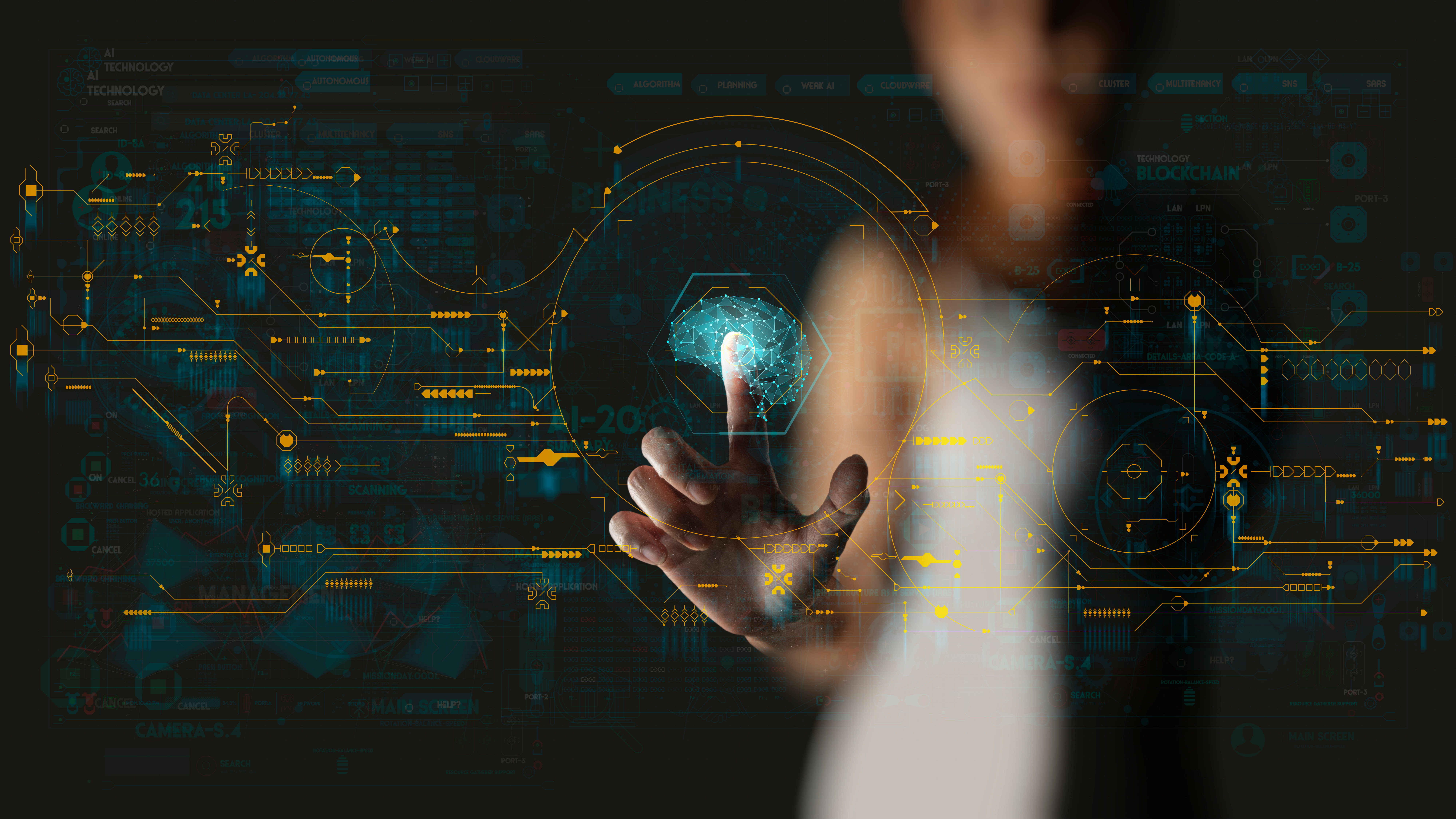
Where Technology Supports—And Where People Lead
As technology continues to advance, businesses are increasingly relying on data, automation, and artificial intelligence to support decision-making. From telematics and predictive analytics to claims triage and safety monitoring, these tools are transforming how organizations operate. But while technology is powerful, it is not a replacement for human judgment—it is a tool that works best when paired with it.
Machines excel at processing large volumes of data quickly and identifying patterns that may not be immediately visible. In risk management, this can mean flagging unsafe driving behaviors, predicting maintenance needs, or prioritizing incidents for review. These insights allow organizations to respond faster and make more informed decisions.
However, technology lacks context. It cannot fully account for human behavior, environmental variables, or nuanced situations that require experience and critical thinking. For example, while a system may flag a driving event as high-risk, it takes a trained professional to interpret the circumstances, determine intent, and decide on the appropriate course of action. Without that human layer, there is a risk of over-reliance on data alone.
The most effective organizations understand this balance. They use technology to enhance visibility and efficiency while empowering people to make final decisions. This approach not only improves accuracy but also builds trust within teams, ensuring that employees view technology as a support system rather than a replacement.
Training plays a key role in this integration. Employees must understand how to interpret data, question outputs when necessary, and apply their expertise alongside technological insights. When people and technology work together, the result is stronger, more adaptable decision-making.
In a world driven by innovation, success doesn’t come from choosing between humans and machines—it comes from knowing where each adds the most value.