For decades, passwords have been the first line of defense for protecting digital accounts—but they’ve also been one of the weakest. As cyber threats grow more sophisticated and users continue relying on predictable or reused credentials, businesses are increasingly asking: Is a passwordless future possible?
The answer is yes—but with nuance.
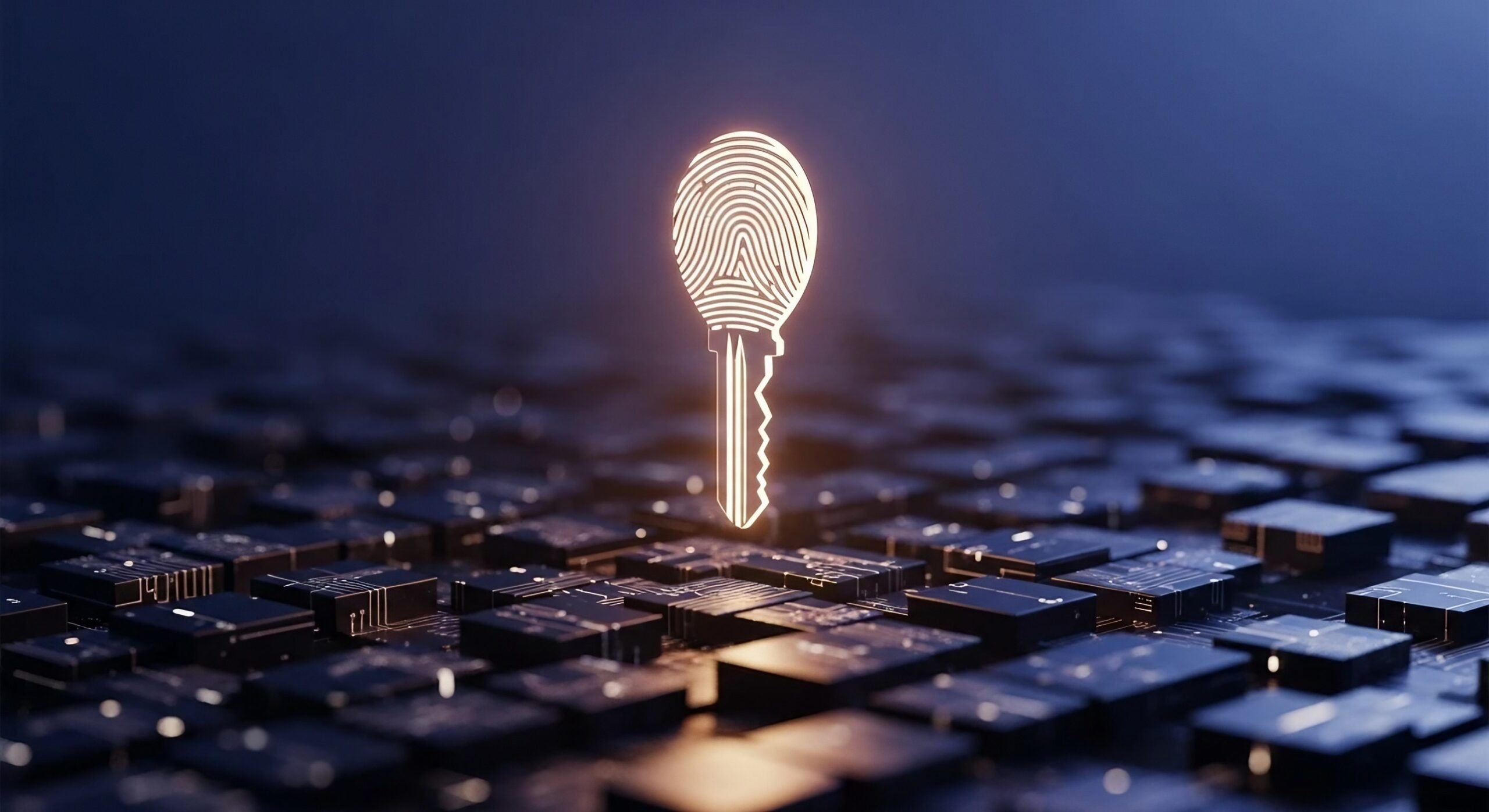
Modern authentication is rapidly shifting toward biometrics, passkeys, and behavioral identifiers. Fingerprints, facial recognition, and device-based passkeys eliminate the need for memorized credentials, offering stronger protection against phishing and credential theft. Passkeys, in particular, are gaining momentum as major platforms adopt them for seamless login experiences tied to trusted devices.
Behavioral authentication adds another layer by analyzing typing patterns, mouse movement, or mobile grip to confirm identity continuously and quietly in the background.
But going fully passwordless isn’t without considerations. Businesses must address device-loss scenarios, biometric privacy concerns, recovery protocols, and compatibility across legacy systems. The transition will happen gradually, with hybrid authentication becoming the norm before passwords finally disappear.
Myths persist—such as the belief that biometrics can be “hacked” universally or that passwordless systems remove user responsibility entirely. In reality, these technologies strengthen security but still require careful design and ongoing vigilance.
The path forward is clear: simpler logins, stronger security, and more intuitive user experiences. Passwords may not vanish overnight, but the era of passwordless authentication is quickly moving from concept to standard practice.