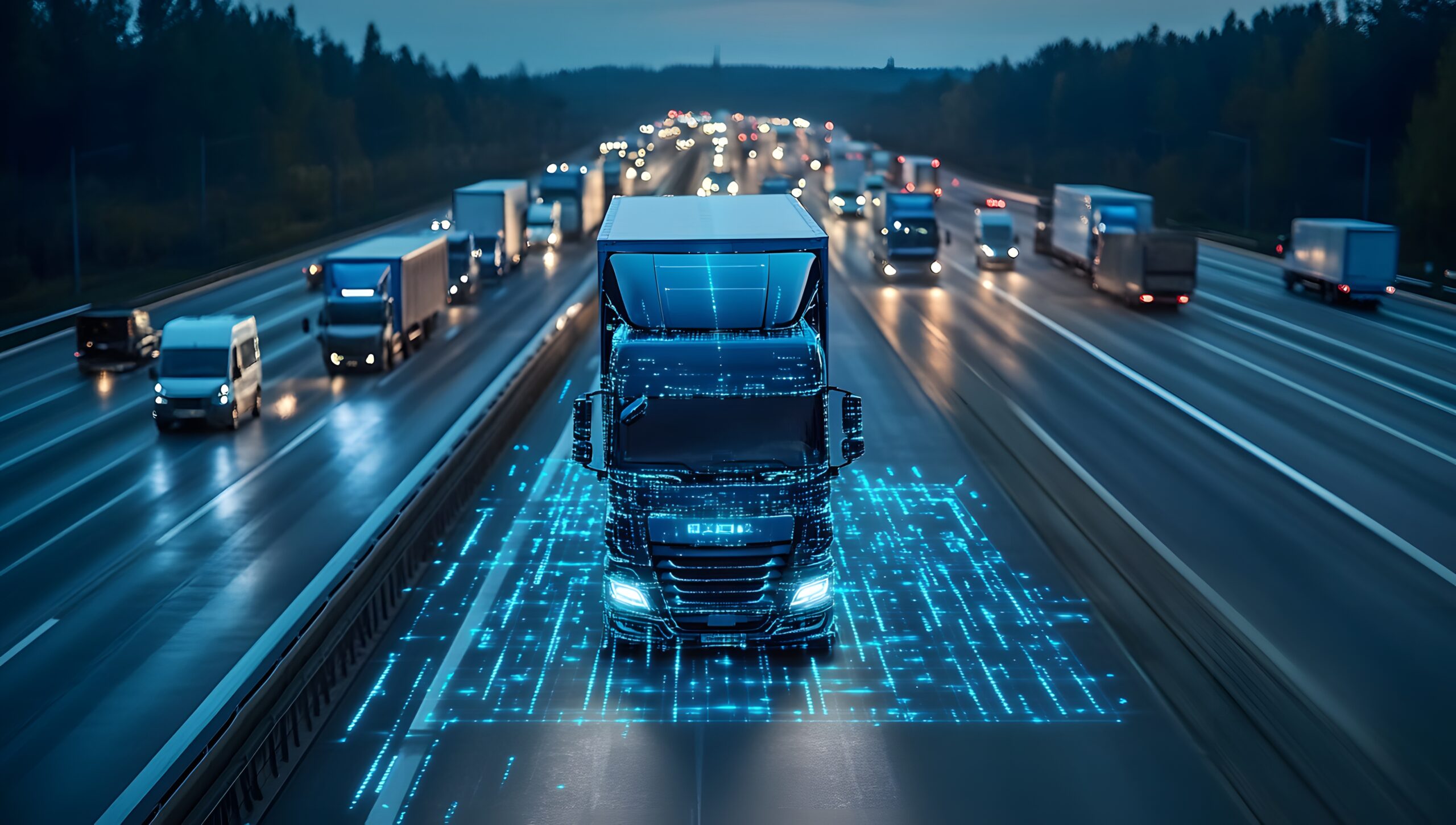
Telematics systems generate a constant stream of information—speed events, harsh braking, idling patterns, engine diagnostics, dashcam video, and more. But the real value of telematics comes from turning that data into decisions that reduce risk, improve accountability, and strengthen operations.
The first step is prioritization. Not every data point deserves equal attention, and focusing on too much at once can lead to data fatigue. Organizations should concentrate on the behaviors that pose the highest risk: speeding, distraction, following distance violations, and near misses. These areas offer the greatest opportunity for meaningful improvement.
Dashcam video brings clarity to raw data by showing what was happening on the road. Reviewing footage helps distinguish unavoidable events from risky behaviors and provides context for coaching conversations. It also gives supervisors real examples to use in safety meetings, turning abstract numbers into real learning moments.
Scorecards are another effective tool. By tracking event frequency, improvement trends, positive performance, and coaching completions, leaders can identify patterns and recognize both high performers and those who may need additional support. Scorecards also provide a fair, consistent framework for follow-up.
To make telematics actionable, insights should feed directly into training. Whether through short coaching sessions, toolbox talks, or targeted modules, training becomes more relevant when tied to actual events. This creates a continuous improvement cycle where detection leads to coaching, coaching leads to reinforcement, and reinforcement leads to safer behaviors.
Ultimately, telematics should be viewed as a support tool—not a surveillance tool. When used thoughtfully, telematics data helps organizations make smarter decisions, improve performance, and build a safety culture rooted in awareness, accountability, and real-world insights.