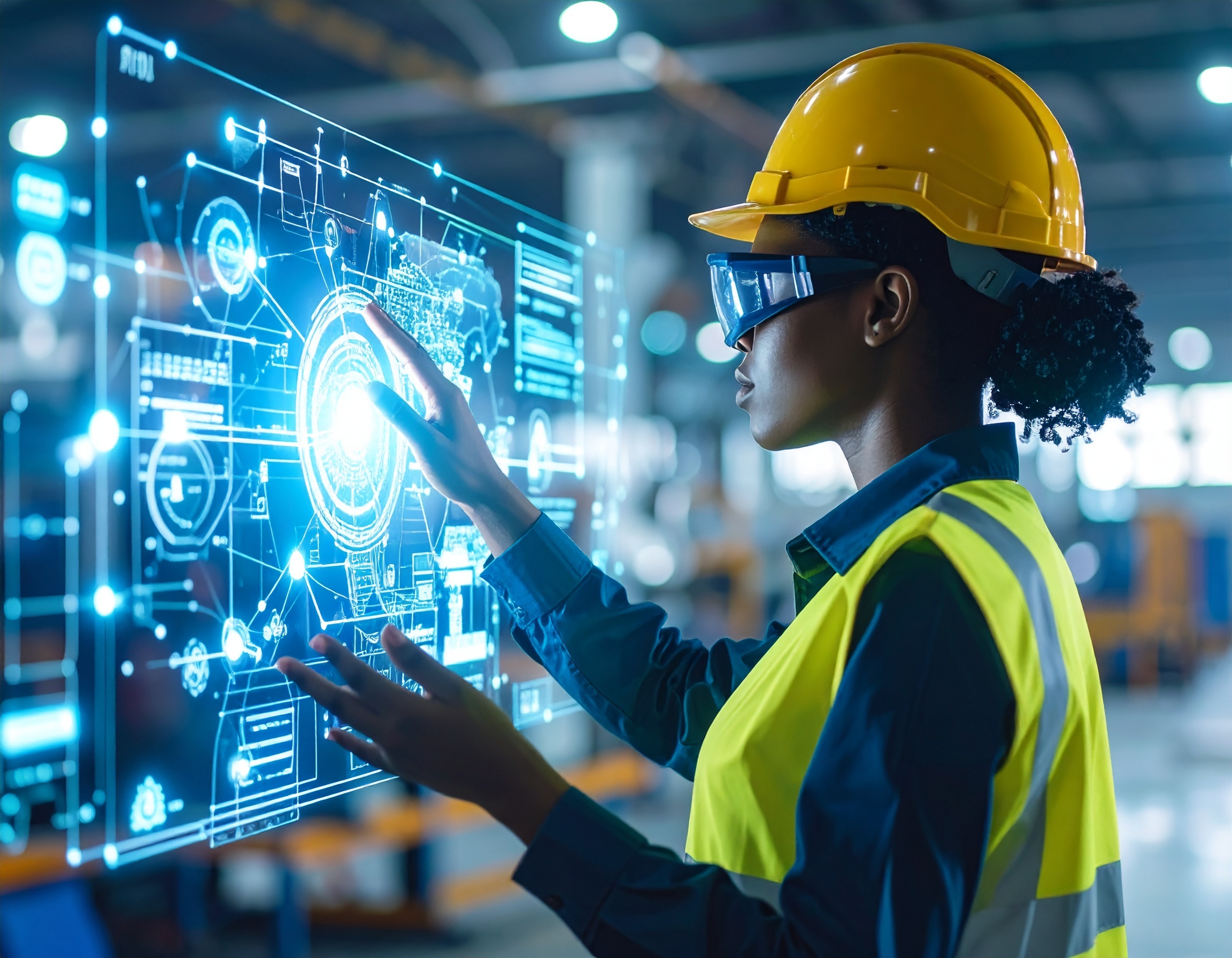
Wearable technology has moved far beyond fitness trackers and smartwatches. Today, industries ranging from transportation and construction to energy, manufacturing, and logistics are leveraging wearables to enhance safety, optimize performance, and support a more connected workforce. As businesses focus on proactive risk management and operational efficiency, wearable tech is emerging as a valuable and measurable tool.
Real-Time Safety Monitoring
Wearables provide immediate visibility into worker safety conditions, making it possible to identify risks before they escalate. Modern devices can monitor:
-
Fatigue levels
-
Heart rate and physical strain
-
Exposure to heat, cold, or high noise levels
-
Hazardous proximity to moving equipment or vehicles
This real-time data allows supervisors to intervene early, preventing injuries and improving overall awareness on worksites and in fleets.
Improving Situational Awareness
Smart helmets, vests, and glasses equipped with sensors and alerts help keep employees aware of their surroundings. When workers approach unsafe zones, a wearable can issue a vibration or audio alert—reducing the likelihood of slips, trips, falls, or equipment-related incidents. For drivers, wearable alerts can detect micro-movements associated with drowsiness or distraction.
Enhancing Communication and Efficiency
Wearables enable hands-free communication and access to critical information:
-
Smart glasses allow field workers to view instructions or diagrams without stopping their tasks.
-
Audio-enabled wearables support communication in high-noise environments.
-
Location-aware devices help teams track personnel during emergencies or evacuations.
These capabilities streamline workflows and keep teams connected regardless of the environment or conditions.
Data Insights for Better Decision-Making
Beyond moment-to-moment alerts, the real value of wearables lies in the analytics. Businesses can track:
-
Trends in worker fatigue
-
High-risk jobs or tasks
-
Patterns behind near misses
-
Environmental conditions driving recurring issues
This data feeds into safety programs, training plans, and broader risk management strategies—allowing organizations to evolve based on real evidence instead of assumptions.
Supporting Employees and Reducing Risk
Wearable tech also plays a role in strengthening employee well-being. By monitoring strain and fatigue, businesses can adjust schedules, redesign workflows, and encourage healthier habits. This reduces injuries, turnover, and overall risk exposure.
A Smarter, Safer Workforce
Wearables are no longer experimental—they are practical, scalable tools that enhance safety, communication, and operational performance. For businesses looking to reduce risk, support employees, and build a more connected and resilient workplace, wearable technology offers a powerful advantage.