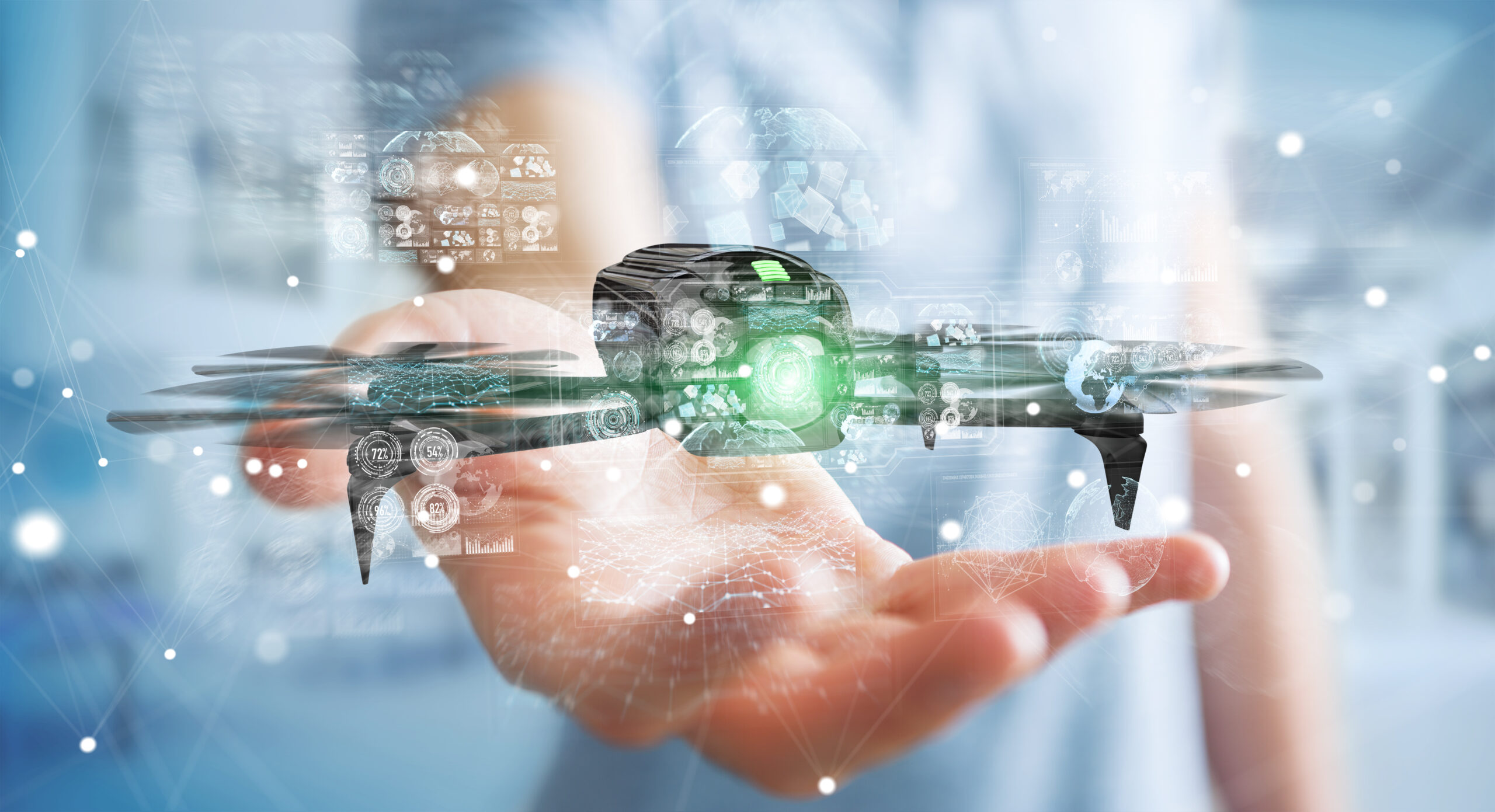
Innovation continues to reshape how businesses approach safety and risk management, and one of the most exciting advancements is the use of drones. Once viewed as recreational gadgets, drones are now vital tools for inspecting hazardous environments, reducing human exposure, and transforming how companies assess risk.
Reaching the Unreachable
Traditionally, inspections of rooftops, pipelines, and high structures required employees to work at dangerous heights or in confined spaces. Drones equipped with high-definition cameras and sensors now allow teams to capture detailed imagery and data remotely. This shift not only saves time but also keeps workers out of harm’s way.
Data-Driven Insights
Modern drones can do more than take photos. Thermal imaging, 3D mapping, and environmental sensors provide critical insights that were once difficult or costly to collect. From detecting roof leaks before they worsen to spotting stress points in pipelines, drones give businesses the information needed to prevent costly claims and accidents.
Efficiency and Cost Savings
Drone inspections are faster and often less expensive than traditional methods, eliminating the need for scaffolding, lifts, or shutdowns. For industries like energy, construction, and transportation, this efficiency means more frequent inspections, earlier hazard detection, and stronger compliance with safety standards.
The Future of Risk Management
As drone technology advances, integration with artificial intelligence and predictive analytics will further enhance their capabilities. Risk managers will be able to analyze real-time data and forecast potential issues before they escalate into costly incidents.
Drones represent more than convenience—they embody the innovative spirit of modern risk management. By leveraging drone technology, businesses can reduce exposure, gain better insights, and embrace a safer, more efficient future.